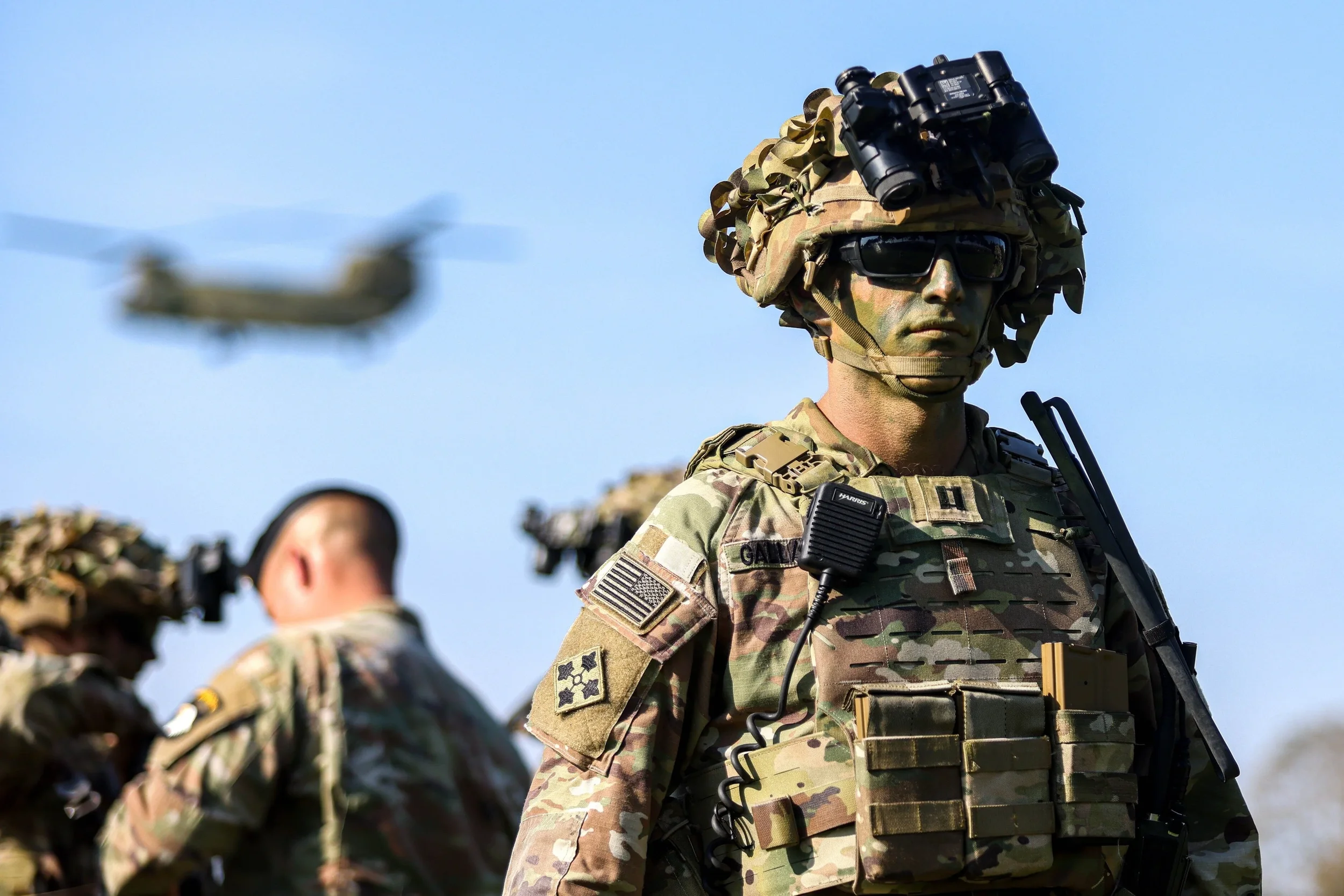
YOU SERVE. NOW LET US SERVE YOU
SOZO FOR LIFE MILITARY& VETERAN SUPPORTSpecialized trauma therapy for service members and the families who love them.
At Sozo for Life, we understand that the wounds carried home from service are often invisible. We offer EMDR, trauma therapy, grief counseling, and family support designed specifically for active duty, veterans, and military families in El Paso, TX.
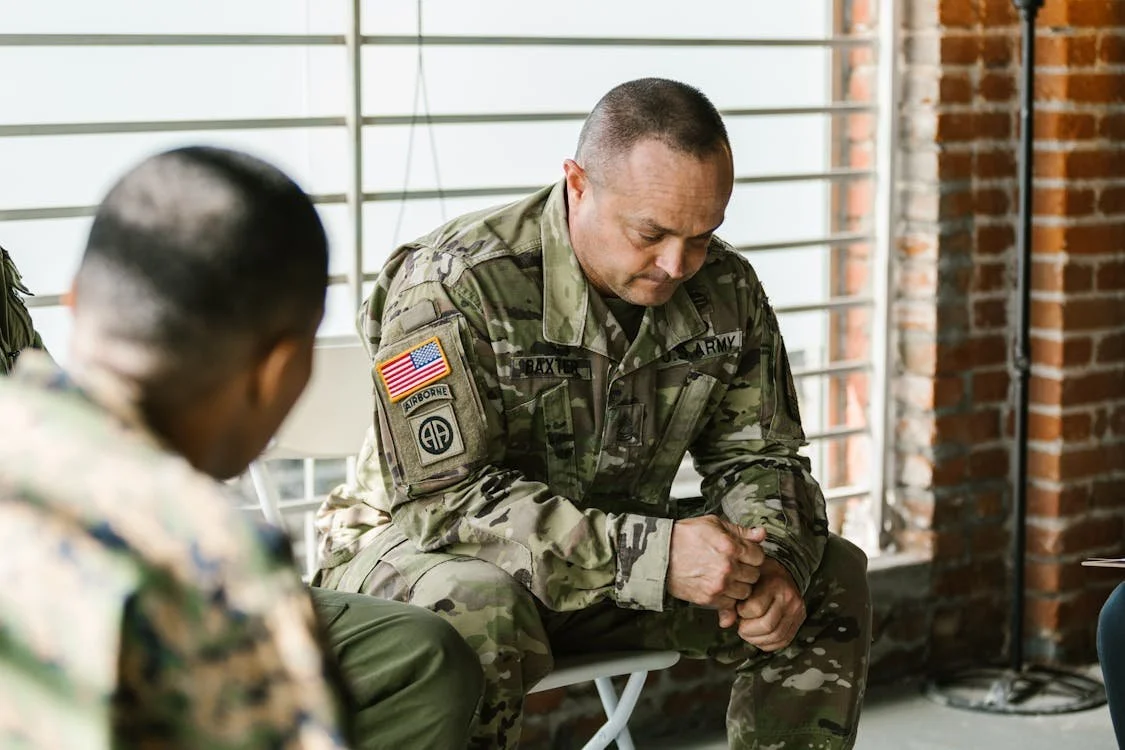
WE KNOW WHAT YOU ARE CARRYING
The strength that helped you survive in service can sometimes make healing feel harder at home.
At Sozo For Life, we understand military culture, the mission-first mindset, and the deep bond of brotherhood and sisterhood that comes with service. We know that asking for help can feel uncomfortable—even impossible—when you’ve been trained to stay strong, keep moving, and carry the weight without complaint.
That mindset served a purpose. It helped you endure difficult moments, stay focused under pressure, and protect others.
But you do not have to keep carrying everything alone.
Whether you're navigating trauma, anxiety, grief, relationship strain, emotional numbness, or the challenges of transitioning back to civilian life, our team offers compassionate, trauma-informed care that respects your experience.
Healing is not weakness. It is strength in a different form.
"Trauma is not what happens to you. It is what happens inside you as a result of what happens to you."
— Dr. Gabor Maté, MD · Author, The Myth of Normal
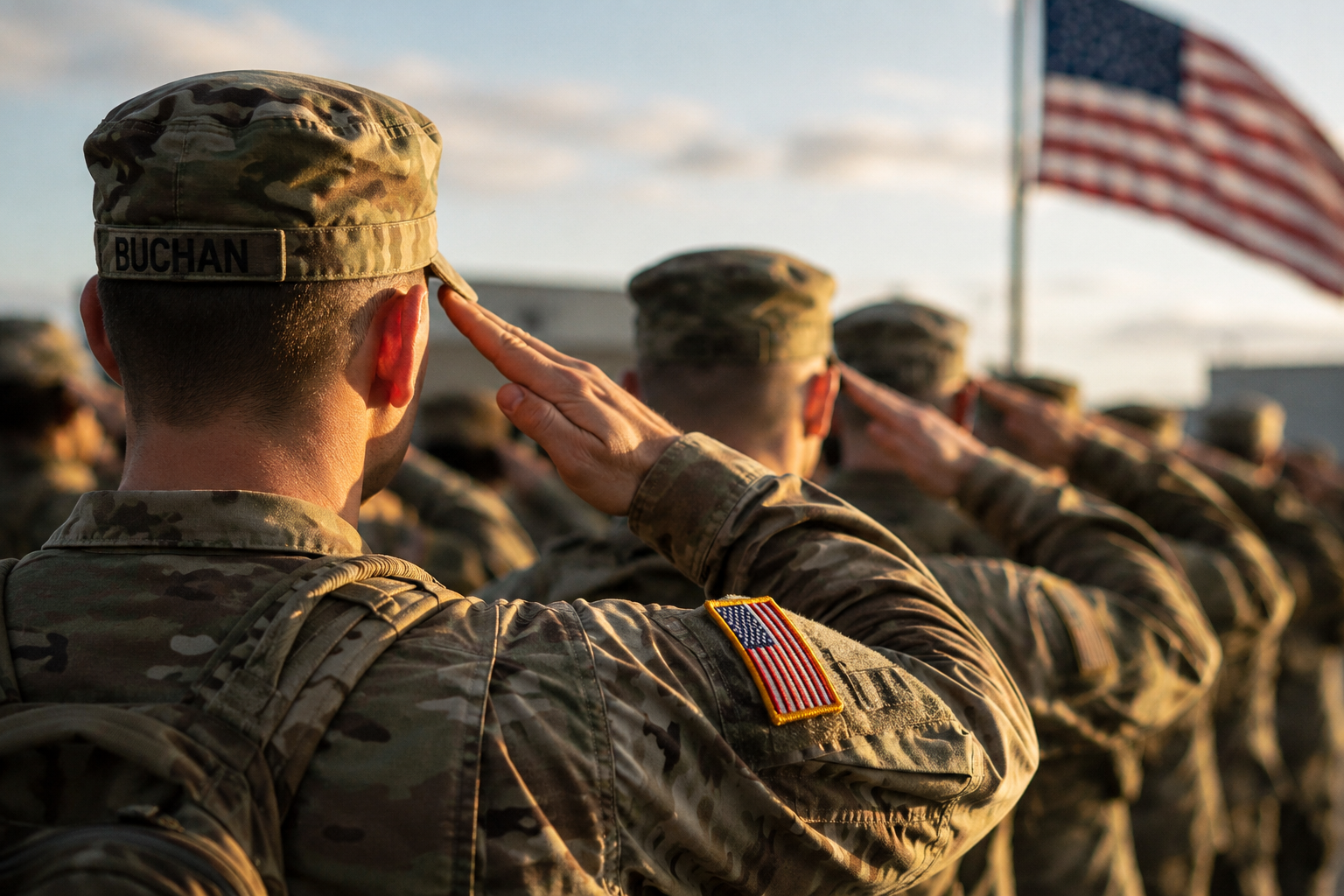
Who We Serve
Sozo For Life provides compassionate, trauma-informed mental health support for:
Active Duty Military Personnel
Veterans
National Guard & Reservists
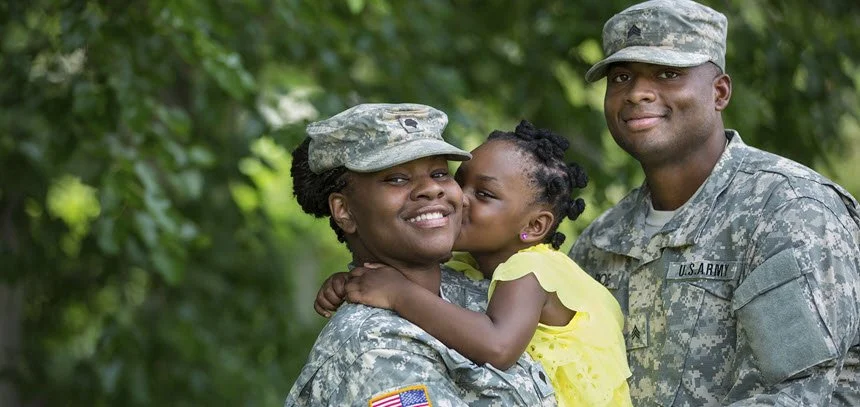
Military Spouses
Military Children & Adolescents
First Responders and Public Safety Professionals
Areas of Support
PTSD & Trauma Recovery
Military experiences can leave lasting emotional and physiological effects long after service. We support individuals experiencing intrusive memories, nightmares, hypervigilance, emotional numbness, irritability, avoidance, and trauma-related distress through evidence-based, trauma-informed care.
Anxiety, Stress & Hypervigilance
Living in a constant state of alert can make it difficult to rest, focus, or feel present with loved ones. We help individuals manage chronic stress, anxiety, overthinking, panic symptoms, and nervous system dysregulation.
Depression & Emotional Disconnection
Emotional numbness, hopelessness, isolation, low motivation, and loss of interest in daily life are common yet often unspoken struggles. Support is available.
Moral Injury
Not all wounds are visible. Experiences that conflict with deeply held values can lead to guilt, shame, grief, spiritual distress, and emotional suffering that require thoughtful, specialized care.
Military Transition & Identity Adjustment
Transitioning out of service often involves significant life changes, including shifts in identity, purpose, routine, structure, and community. We provide support through this adjustment process.
Marriage & Relationship Support
Military life can create strain through deployment cycles, reintegration challenges, communication barriers, emotional distance, and chronic stress. We help couples strengthen connection, communication, and resilience.
Family Support
Military service affects the entire family system. We provide support for spouses, children, and families navigating transitions, stress, secondary trauma, and relational challenges.
Grief & Loss
Loss may include the death of fellow service members, personal losses, identity transitions, or unresolved grief carried over time. Healing support is available in a safe and compassionate setting.
Traumatic Brain Injury (TBI) Emotional Support
TBI can affect emotional regulation, cognition, relationships, and day-to-day functioning. Our counseling services provide emotional support that complements ongoing medical care.
The most researched trauma treatment available
The most researched trauma treatment available
What Is
EMDR
Therapy?
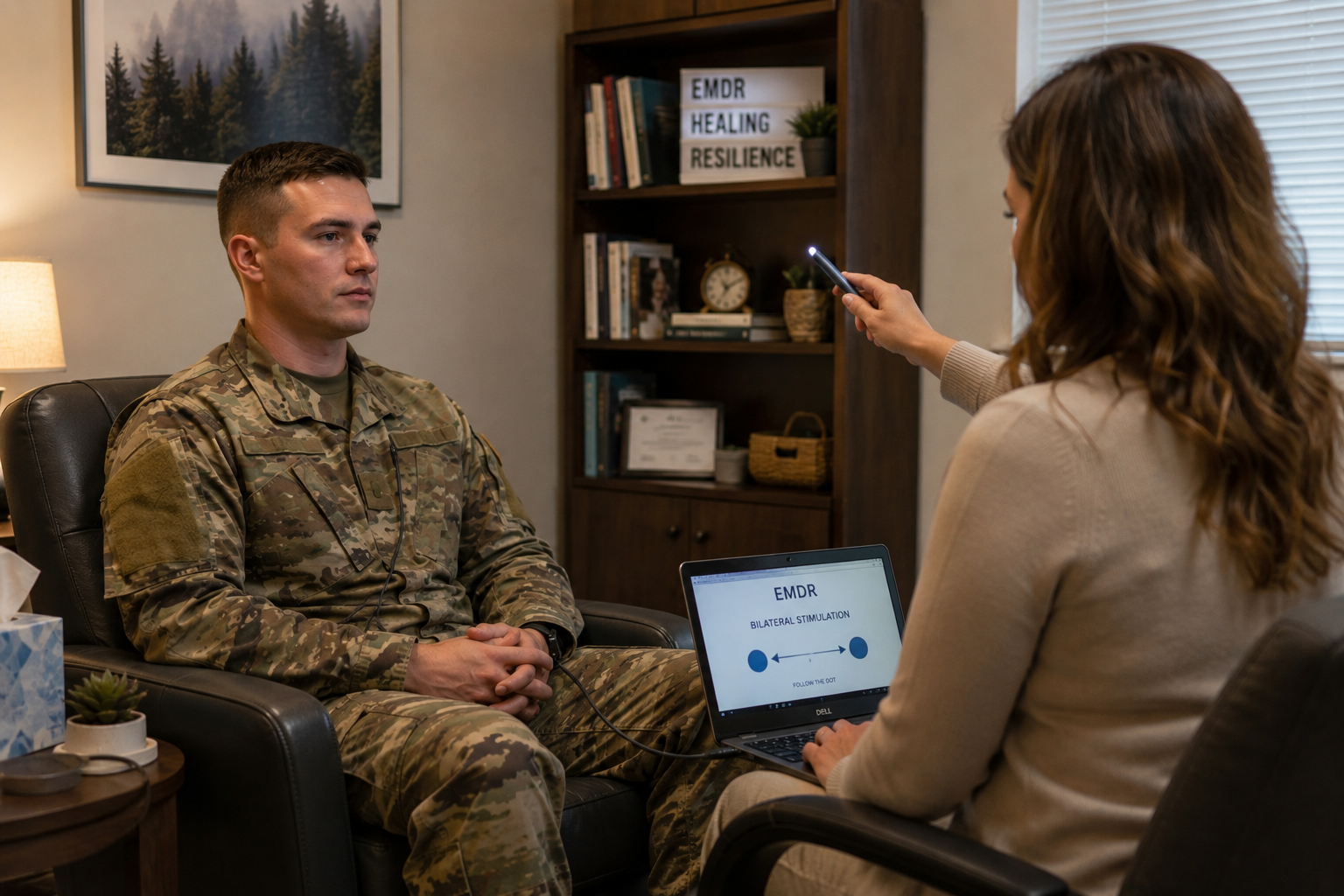
EMDR — Eye Movement Desensitization and Reprocessing — was developed by Dr. Francine Shapiro in 1987 and has since become one of the most extensively studied psychological treatments in existence.
When trauma occurs, memories can become “stuck” — frozen in their original emotional and sensory intensity rather than processed and filed as past experience. EMDR uses bilateral stimulation (guided eye movements or gentle tapping) to activate the brain’s natural information-processing system — the same mechanism that operates during REM sleep — allowing the memory to finally be integrated.
You stay in control throughout. You do not have to recount the trauma in detail. Most clients describe the result the same way: “The memory is still there — it just does not feel like it is happening right now anymore.”
How it works — step by step
History & Preparation
We build your treatment plan and equip you with stabilization tools before any processing begins. You are never rushed. You set the pace.
1
Together we identify the specific memories or experiences most disruptive to your present-day life and functioning.
Target Identification
Using guided eye movements or tapping, the brain begins reprocessing the stored memory. You remain grounded and in full control throughout.
Bilateral Stimulation
Positive beliefs are reinforced and each session closes with grounding. You leave stable, not raw.
Integration & Closure
The memory remains — but it no longer carries the same charge. It belongs to the past rather than living in the present.
Relief
The memory remains — but it no longer carries the same charge. It belongs to the past rather than living in the present.
Services for Military & Veteran Families
Available in person in El Paso or through secure teletherapy anywhere in Texas.
What We Offer
Services for Military & Veteran Families
Available in person in El Paso or through secure teletherapy anywhere in Texas.
EMDR Therapy for Combat Trauma & PTSD
Trauma can continue to affect daily life long after service ends. EMDR is an evidence-based therapy used to help process traumatic memories, reduce distress, and support recovery from combat-related trauma and PTSD.
Military Marriage Counseling
Military life can place significant strain on relationships through deployment, reintegration, emotional distance, communication challenges, and the long-term stress of service. We help couples rebuild connection, strengthen communication, and navigate the unique pressures military families face.
Family Reintegration Therapy
Returning home is not always a simple adjustment. Families change during separation, routines shift, and reconnecting can be difficult. We help families navigate reintegration with understanding, practical support, and honest conversation.
Grief & Loss Counseling
Grief in the military community takes many forms—loss of fellow service members, personal loss, identity changes, and the grief that can come with transition. We provide compassionate support through every stage of that process.
Military Transition Support
Leaving military service involves more than a career change. It can bring loss of structure, identity, purpose, community, and routine. We help individuals process this transition and move forward with clarity and support.
Secure Teletherapy Across Texas
Confidential, HIPAA-compliant virtual counseling from anywhere in Texas, offering flexibility and access to care wherever you are.
Care for Couples, Individuals, and Families
How It Works
Getting Started Is Simple
Taking the first step shouldn’t feel overwhelming. We make the process clear, supportive, and pressure-free.
1.
15-Minute Consultation
We start with a confidential conversation to understand what’s bringing you here, answer your questions, and help you determine the best next step.
2.
Begin Sessions
In person in El Paso or through secure teletherapy. Weekly sessions. Measurable, real progress.
3.
Your Treatment Plan
We build a plan around your specific needs, your schedule, and your goals. You are in charge of the pace.
4.
Move Forward
The weight becomes manageable. The distance closes. You become present again to the life around you.
YOUR NEXT
MISSION
IS YOU.
You’ve spent years caring for others, carrying responsibilities, and pushing through. Now it’s time to invest in your own healing.
One confidential conversation can be the beginning of real change.